Dive Bars — The Real Neighborhood Bar Guide
What Makes a Real Dive Bar
A real dive bar has four characteristics: same ownership for at least 15 years, a regulars-driven economy where 60%+ of weeknight revenue comes from people the bartender knows by name, drink prices below market average for the neighborhood, and zero design budget — the décor evolved by accident, not intention. The aesthetic that themed bars try to manufacture is a side effect of the operating model, not the product.
Manufactured Dives vs. Real Ones
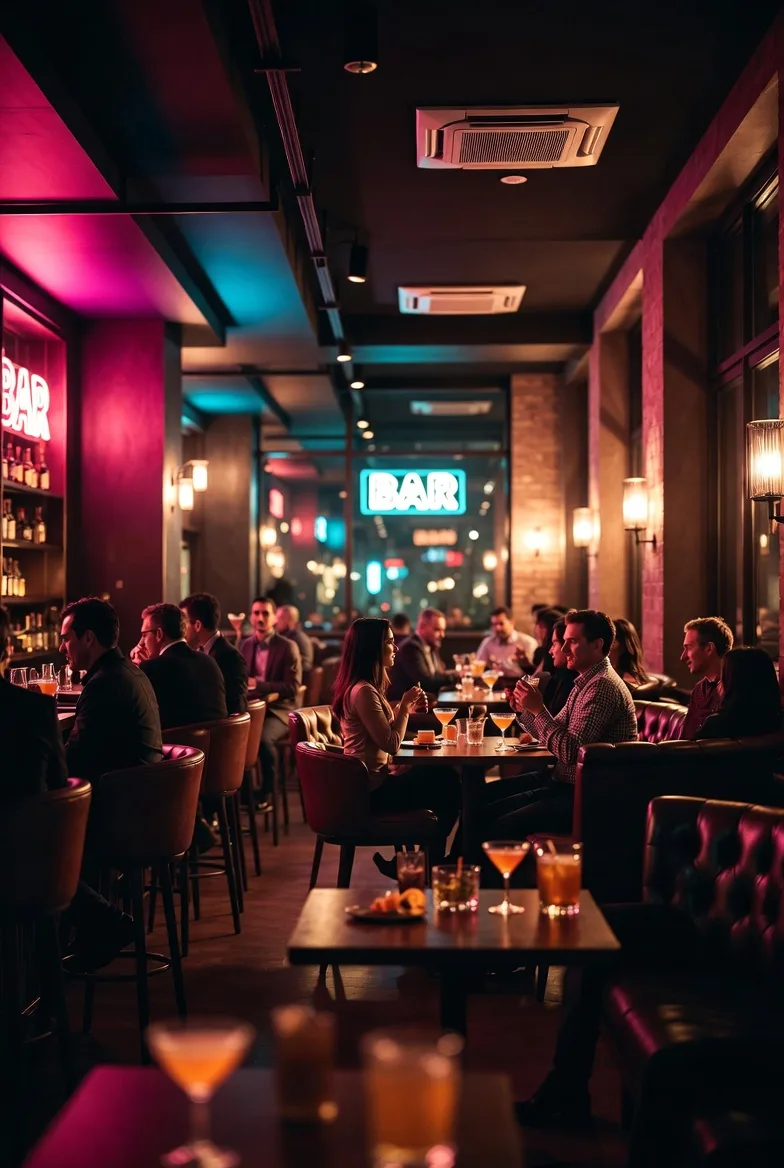
The dive bar aesthetic has become a marketing category. Manufactured dives are bars that opened in the last decade with intentionally distressed décor, vintage signage, and a curated jukebox. They charge $11 for a beer that an actual dive sells for $4. Tell the difference by looking at the bar back: real dives have mismatched bottles, basic mixers, and a mid-tier liquor program. Manufactured dives have curated craft selections and Instagram-friendly arrangements.
Dive Bar Pricing
Authentic dive pricing in 2026: domestic beers $3–$5, well drinks $5–$7, basic cocktails $7–$10, no surcharges and no menu prices ending in 0.99 (that is restaurant pricing). Cash-preferred or cash-only is common; tipping standard is $1 per drink in cash. Anything above these benchmarks indicates the bar is positioning itself as a dive while charging neighborhood cocktail bar prices.
Reading the Regulars Section
Most dive bars have an unspoken regulars section — the end of the bar nearest the bartender, or specific stools that have been claimed for years. Sitting there as a newcomer reads as territorial misread. Take a seat in the middle of the bar, order something simple, and let the room read you before you read the room. Regulars warm up slowly to new faces; that is part of the operating model.
Dive Bar Etiquette
Dive bars run on social rules different from cocktail lounges. Tip generously in cash. Do not order anything that requires more than 30 seconds of preparation (bartenders have 10 other customers and no patience for an Old Fashioned that is going to taste wrong anyway). Do not photograph the bar or other patrons. Do not loudly comment on how authentic the place is. Do not ask the bartender for recommendations beyond ‘what do you have on draft.’
Best Dive Bar Districts
Cities with the deepest dive bar density: Chicago (north side neighborhoods), New Orleans (Marigny and Bywater), Pittsburgh (Lawrenceville and South Side), Detroit (Hamtramck and Corktown), Philadelphia (Fishtown and Kensington), and New York (East Village and Greenpoint). LA and Miami have far fewer real dives because their nightlife economies skew toward higher-priced concepts. Boston and Baltimore have strong dive bar coverage in working-class neighborhoods.
When to Visit a Dive Bar
Dive bars peak Tuesday through Thursday from 9 PM to midnight when regulars dominate the room and the bartender has time to talk. Friday and Saturday at a real dive often draws a different crowd — people coming from earlier dinner reservations who want a cheap last drink. The best dive bar nights are unplanned weeknight stops; the worst are crowded weekend visits with a group of six.