The Complete Nightclub & Dance Venue Guide
What Makes a Nightclub
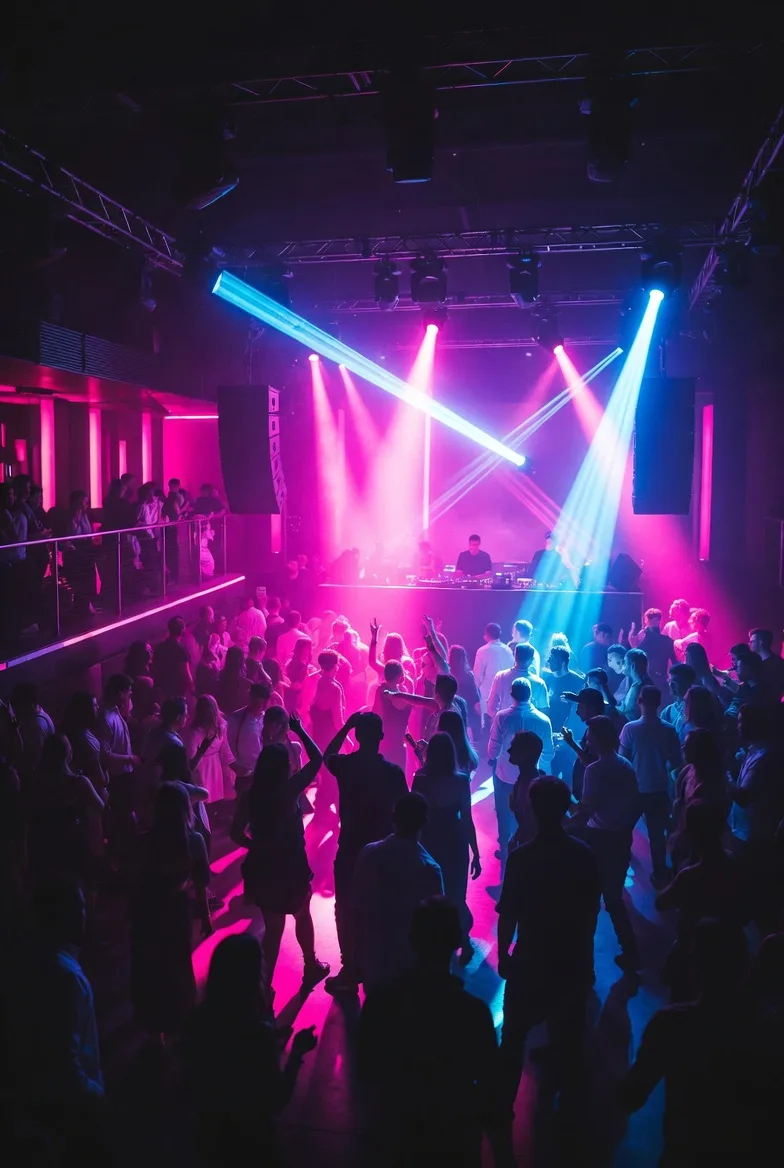
A nightclub is distinct from a bar or lounge in three measurable ways: programmed DJ rotation, dedicated dance floor with custom acoustics, and a door operation that filters by time and capacity. Most cities have between five and forty true nightclubs depending on population and licensing density. The rest of the venues calling themselves clubs are bars with a small dance area, which is a different experience entirely.
DJ Programming Tiers
Top-tier clubs book international touring DJs every weekend with cover charges of $30–$60. Second-tier venues run strong residents on Friday and Saturday with occasional touring acts at $15–$30. Third-tier clubs operate on resident DJs only with $10–$15 cover or free entry before midnight. The DJ tier almost always predicts the crowd quality and sound system investment.
Sound System Quality
Serious nightclubs invest $100,000 to $1 million in custom sound — typically Funktion-One, Void, Pioneer Pro Audio, or d&b audiotechnik systems. You can hear the difference within ten seconds of walking in: clear separation between bass and mids, no harshness in the highs, and physical impact at conversational distance from the speakers. A bad system fatigues your ears and ruins the night.
Capacity and Crowd Flow
Capacity matters less than how the room is laid out. A 600-capacity club with a tight dance floor, multiple bar stations, and a clear path to the bathroom will feel better than a 1,200-cap warehouse with a single bar and chokepoints at every doorway. Visit on a moderate night first to see how the room handles flow before committing to a peak-night cover.
Reading the Door
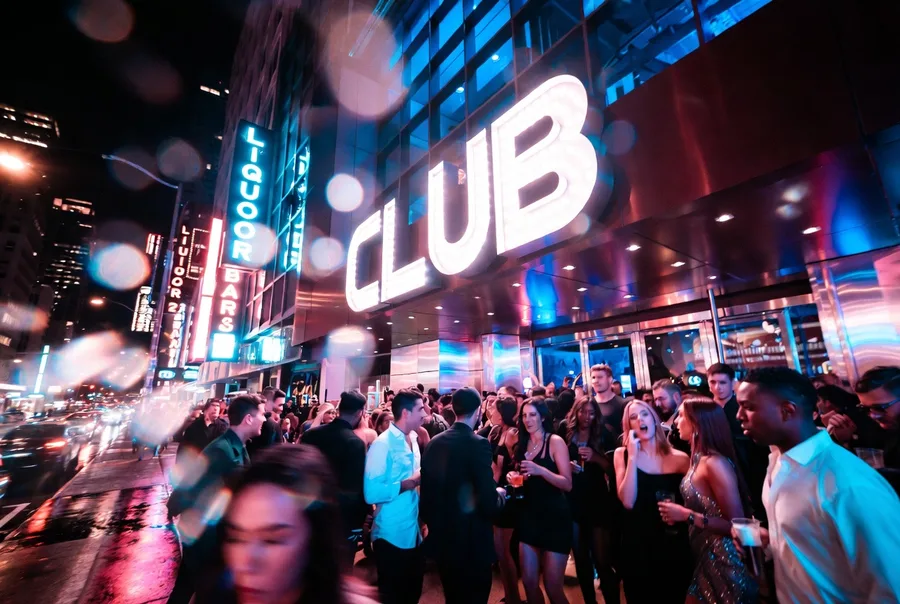
The door operation tells you what the venue values. A door with three lines — guest list, VIP, and walk-up — and a clear capacity tracker is a venue that runs a tight ship. A single line with no apparent system is a venue that overbooks and oversells. Bouncers who know regulars by name are a positive signal; bouncers who treat everyone like a threat are a negative one.
When to Arrive
Most clubs program a slow build from doors at 10 PM to peak between 12:30 AM and 2:30 AM. Arriving before 11 PM gets you in cheap and gives you time to read the room. Arriving at peak means waiting in line and paying full cover. Arriving after 2 AM means walking into a room that is already winding down. The sweet spot is 11:30 PM at most venues.
Cover Charge Economics
Cover pays for the talent, security staff, and venue operations — it is not a venue tax. A $40 cover for a touring DJ is reasonable; the same $40 for a resident set is overpriced. Venues that charge cover and still cheap out on security or sound are losing money on bad operational choices, not subsidizing your night. Vote with your wallet by skipping venues that overcharge for their tier.